
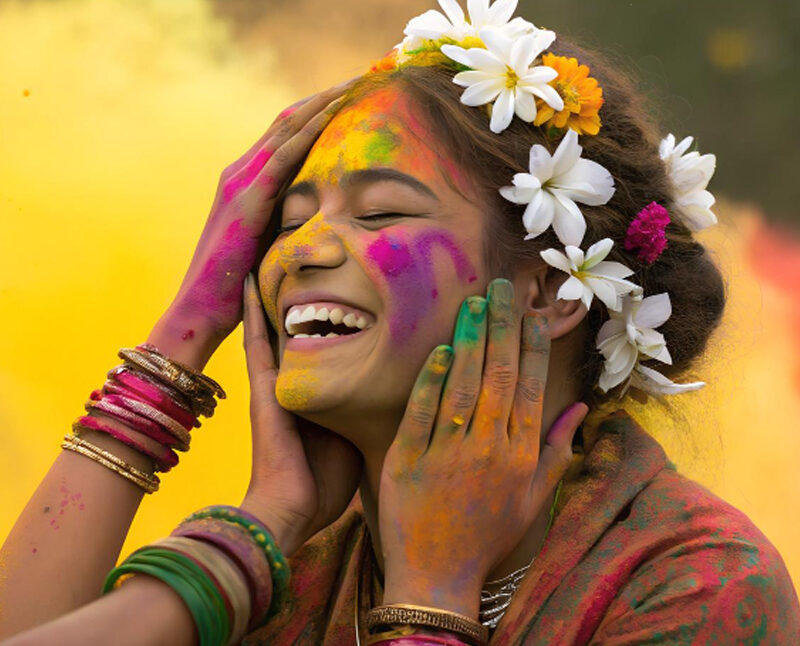
Bengali culture is a beautiful blend of tradition, creativity, celebration, and emotion. Known for its rich heritage, artistic expression, flavorful cuisine, soulful music, and grand festivals, Bengali culture has inspired generations across the world. Whether experienced in the streets of Kolkata during Durga Puja or through cultural gatherings organized by Bengali communities abroad, the spirit of Bengal creates an atmosphere filled with warmth, energy, and togetherness.
To experience Bengali culture is to immerse yourself in a world of vibrant colors, melodious music, heartfelt traditions, and joyful celebrations. It is a culture where art meets devotion, where food becomes an expression of love, and where festivals unite families, friends, and communities in unforgettable ways.
One of the most recognizable aspects of Bengali culture is its grand celebrations and festivals. Among them, Durga Puja stands as the heart of Bengali tradition and identity. Every year, millions of people come together to celebrate the arrival of Goddess Durga with immense devotion and excitement. The streets transform into dazzling displays of lights, artistic pandals, traditional decorations, and cultural performances. The sound of dhaak drums, devotional chants, and joyful laughter fills the air, creating an atmosphere unlike any other.
Durga Puja is not just a religious festival; it is a celebration of life, creativity, family, and community spirit. People wear traditional attire, visit beautifully decorated pandals, enjoy delicious food, and spend time reconnecting with loved ones. Children wait eagerly for the festivities, while adults relive memories and traditions passed down through generations. The festival becomes a symbol of unity, joy, and cultural pride.
The colors of Bengali culture extend beyond festivals into everyday traditions and artistic expression. Bengali art has always held a special place in Indian culture, from intricate alpana designs and handcrafted decorations to paintings, literature, and theater. Bengal has produced some of the world’s greatest poets, writers, artists, and filmmakers whose work continues to influence generations globally.
Music is another soul of Bengali culture. Bengali songs carry deep emotion, storytelling, and melody that connect people across generations. From the timeless compositions of Rabindranath Tagore to traditional folk music like Baul songs, Bengali music reflects love, spirituality, nature, and human emotions in their purest form. During cultural festivals and gatherings, music creates an emotional bond that brings communities together.
Dance and performance arts are equally important in Bengali traditions. Classical dance performances, folk dances, theater productions, and cultural dramas are often central attractions during festivals and community events. These performances celebrate stories, traditions, and artistic talent while inspiring younger generations to remain connected to their roots.
Food also plays a major role in the joy of Bengali culture. Bengali cuisine is known for its unique flavors, rich spices, and comforting dishes that hold emotional significance for families. From traditional meals served during festivals to famous sweets like Rasgulla, Sandesh, and Mishti Doi, every dish tells a story of heritage and hospitality.
Sharing food is deeply connected to Bengali values of love and togetherness. During festivals and gatherings, families and friends come together to cook, eat, and celebrate. The aroma of freshly prepared dishes, the joy of community feasts, and the tradition of offering bhog during religious celebrations create unforgettable experiences for everyone involved.
Another beautiful aspect of Bengali culture is its deep appreciation for education, literature, and intellectual expression. Bengal has long been recognized as a center of creativity and knowledge. Literature, poetry, storytelling, and philosophical discussions are deeply woven into everyday life. Great personalities such as Rabindranath Tagore, Satyajit Ray, and Kazi Nazrul Islam have shaped not only Bengali culture but also global artistic and literary traditions.
Family and community values remain at the core of Bengali life. Festivals and cultural gatherings are not simply events; they are opportunities for people to strengthen relationships and preserve traditions. Elders share stories and customs with younger generations, ensuring that cultural values continue to thrive over time.
For Bengali communities living outside India and Bangladesh, cultural organizations and community celebrations play an essential role in keeping traditions alive. These events provide a sense of belonging and connection for families who wish to remain close to their roots while living abroad. Through music, dance, food, festivals, and social activities, Bengali culture continues to flourish across the world.
One of the most inspiring qualities of Bengali culture is its inclusiveness and warmth. Visitors are welcomed with hospitality, kindness, and enthusiasm. Whether someone is experiencing Bengali traditions for the first time or has grown up surrounded by them, the culture has a unique ability to make people feel connected and appreciated.
In today’s modern world, where people often become disconnected from traditions and community life, Bengali culture serves as a reminder of the importance of togetherness, creativity, and human connection. It teaches people to celebrate not only major achievements but also everyday moments filled with laughter, music, friendship, and gratitude.
The joy of Bengali culture lies in its ability to touch both the heart and soul. It is found in the rhythm of traditional drums during festivals, in the poetry of songs, in the beauty of artistic decorations, and in the smiles shared during family gatherings. It is a culture that values emotions, relationships, and the beauty of shared experiences.
Experiencing Bengali culture is not simply about attending a festival or tasting traditional food — it is about becoming part of a vibrant community filled with passion, creativity, and warmth. Every celebration, every song, every meal, and every tradition carries generations of history and emotional connection.
As Bengali communities continue to grow around the world, the spirit of Bengal remains alive through cultural celebrations, artistic expression, and shared values. The colors, music, and joy of Bengali culture continue to inspire people of all ages, creating memories that last a lifetime.
In the end, Bengali culture is a celebration of life itself — colorful, emotional, artistic, and deeply human. It reminds us to cherish our traditions, embrace our communities, and find happiness in coming together to celebrate who we are. Whether through festivals, music, food, or art, Bengali culture leaves a lasting impression on everyone fortunate enough to experience its beauty and joy.